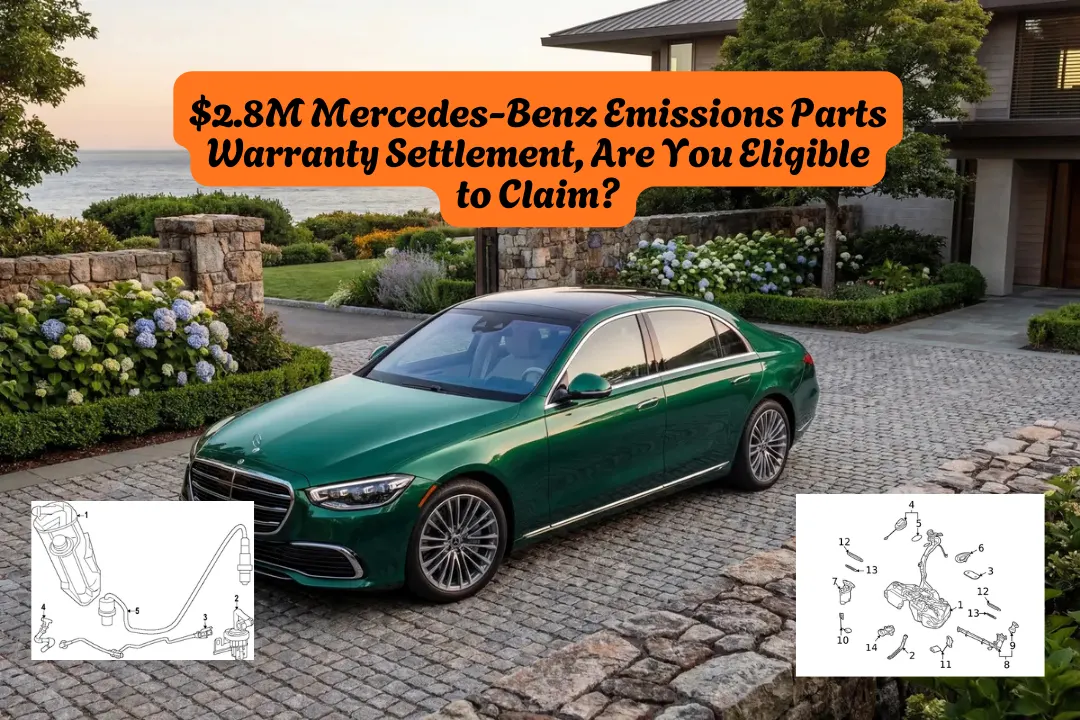
Hazdovac v. MBUSA: Emissions Warranty Settlement Explained
For many Mercedes-Benz owners, the phrase "emissions warranty" might not be top of mind until a critical part fails, leading to an unexpected and often expensive repair. However, a significant legal development, the Hazdovac v. MBUSA Settlement, is shining a spotlight on these crucial components and potentially offering substantial relief to eligible vehicle owners. This class action lawsuit alleges that Mercedes-Benz USA, LLC (MBUSA) improperly classified certain high-cost emissions parts, leading owners to pay out-of-pocket for repairs that should have been covered under an extended warranty.
If you've owned a Mercedes-Benz from model year 2015 to the present and found yourself paying for emissions-related diagnostics or repairs between your vehicle's 4-year/50,000-mile and 7-year/70,000-mile mark, especially if you reside in specific states, this settlement could mean significant reimbursement for your past expenses. Understanding the nuances of the Hazdovac Vs Mbusa Settlement is key to claiming the compensation you might be owed.
Understanding the Hazdovac v. MBUSA Lawsuit: The Core Allegation
The lawsuit, officially known as Hazdovac v. Mercedes-Benz USA, LLC et al. (Case No. 3:20-CV-377, N.D. Cal.), was brought forth by Plaintiff Cory Hazdovac, individually and on behalf of a class of affected Mercedes-Benz owners and lessees. The central claim revolves around the California Emissions Warranty, specifically the regulations concerning "high-cost" or "high-priced" emissions warranty parts (HPP). Under California Code of Regulations (CCR) Title 13, §§ 2035 et seq., certain critical emissions components are mandated to be covered for 7 years or 70,000 miles, whichever comes first, given their significant role in vehicle emissions control and their potential cost.
The plaintiff alleged that MBUSA failed to correctly identify fourteen (14) specific vehicle parts as HPPs. This misclassification, according to the lawsuit, resulted in these parts not being covered under the extended 7-year/70,000-mile HPP Warranty, forcing owners to bear the cost of diagnosis, repair, or replacement once their standard warranty (typically 4 years/50,000 miles) expired. MBUSA, while agreeing to the settlement, has consistently denied any wrongdoing, liability, or allegations of defect, asserting that their actions were compliant.
This settlement underscores the critical role of emissions regulations, particularly those originating from California, which often set a precedent for other states. It highlights how important it is for consumers to be aware of their warranty rights, especially concerning complex and costly emissions systems.
Are You a Class Member? Eligibility Criteria Explained
Determining your eligibility for the Hazdovac Vs Mbusa Settlement is the first crucial step. You are considered a Settlement Class Member if you meet the following criteria and do not choose to opt out of the settlement:
- You are a person who purchased or leased a Mercedes-Benz vehicle.
- Your vehicle is a model year 2015 to the present.
- Your vehicle is covered by an HPP Warranty.
- Your vehicle was registered in a "Section 177 State" at the time of the repair or diagnosis.
- You paid out-of-pocket for the diagnosis, repair, or replacement of one of the fourteen (14) covered emissions parts between your vehicle's 4-year/50,000-mile and 7-year/70,000-mile warranty periods.
Understanding "Section 177 States"
The term "Section 177 States" is vital for eligibility. These are states that have adopted California’s stringent Low-Emission Vehicle (LEV) criteria pollutant and greenhouse gas (GHG) emission regulations, as well as Zero Emission Vehicle (ZEV) regulations, under Section 177 of the Clean Air Act (42 U.S.C. §7507). While California is the origin, a significant number of other states have followed suit. During various points relevant to this settlement, the Reg. 177 States included:
- California
- Colorado
- Connecticut
- Delaware
- Maine
- Maryland
- Massachusetts
- Minnesota
- Nevada
- New Jersey
- New York
- Oregon
- Pennsylvania
- Rhode Island
- Vermont
- Virginia
- Washington
It's important to note that some of these states adopted the regulations at different times or for specific model years. For precise eligibility based on your state and vehicle model year, it's recommended to consult the official settlement website, which references Exhibit A of the Settlement Agreement.
What Does This Settlement Mean for Mercedes-Benz Owners?
This settlement offers tangible financial relief for qualifying Mercedes-Benz owners. If you are an eligible class member who paid out of pocket for the diagnosis or repair of one of the 14 specified emissions parts during the extended warranty window (between 4 years/50,000 miles and 7 years/70,000 miles), you may be entitled to significant reimbursement. The settlement provides for reimbursement of 50% to 100% of your out-of-pocket costs, depending on the specific circumstances and part. This can translate into substantial savings, considering the high cost often associated with sophisticated Mercedes-Benz emissions systems.
The "Subject Parts" are specific emissions components that the lawsuit argued should have been classified as HPPs. While the full list of these 14 parts is detailed in the official settlement documents, they generally include critical components involved in the vehicle's exhaust and emissions control system. If you experienced an issue with an emissions-related part on your Mercedes-Benz within the specified timeframe, it's worth investigating if that part is covered under this settlement.
This settlement serves as a powerful reminder for all vehicle owners to keep meticulous records of all vehicle maintenance, repairs, and diagnostic reports. These documents are crucial evidence when filing a claim like this. Even if you haven't yet incurred such costs but own an eligible vehicle, understanding the extended warranty coverage can save you money in the future.
How to File a Claim and Important Deadlines
Claiming your reimbursement under the Hazdovac Vs Mbusa Settlement requires action. The primary deadline for submitting a Reimbursement Claim Form for repairs or diagnoses made before the settlement notice was issued is May 15, 2026. This extended deadline provides ample time for affected owners to gather their documentation and submit a claim.
Steps to File a Claim:
- Verify Eligibility: Confirm your vehicle's model year, registration state, and the timing of your repair align with the criteria.
- Gather Documentation: You will need proof of your out-of-pocket expenses, including repair invoices, diagnosis reports, and proof of payment. Ensure these documents clearly show the date of repair, the parts replaced or diagnosed, and the cost incurred.
- Obtain the Claim Form: The official Reimbursement Claim Form and detailed instructions are available on the dedicated settlement website.
- Complete and Submit: Fill out the form accurately, attach all required documentation, and submit it before the May 15, 2026 deadline for pre-notice repairs.
For more detailed information on the claims process, including where to find the official forms and specific requirements, you can refer to resources like Mercedes-Benz Emissions Settlement: Claim Your Reimbursement. It's always advisable to consult the official settlement website or legal counsel if you have complex questions about your specific situation. Don't miss this opportunity to potentially recover significant costs incurred due to what the lawsuit alleged was improper warranty classification.
Even if you haven't received a notice directly, if you believe you fit the criteria, proactively seeking information is crucial. Many owners might not even be aware that their past repairs could be covered under this agreement. For further guidance on how to identify if your expenses qualify, see Mercedes Owners: Uncover Your Hazdovac Emissions Reimbursement.
Conclusion
The Hazdovac v. MBUSA Settlement represents a significant victory for consumer rights and shines a light on the intricate world of automotive warranties. For thousands of Mercedes-Benz owners and lessees in Section 177 States, this settlement offers a concrete path to recouping expenses for emissions-related repairs that arguably should have been covered. By understanding the core allegations, verifying your eligibility, and diligently following the claim submission process, you can ensure you receive the compensation you're entitled to. With the deadline for pre-notice repairs set for May 15, 2026, there is time to act, but promptness in gathering your records and understanding your rights is highly recommended. Don't let your out-of-pocket costs go unreimbursed – investigate your eligibility today.